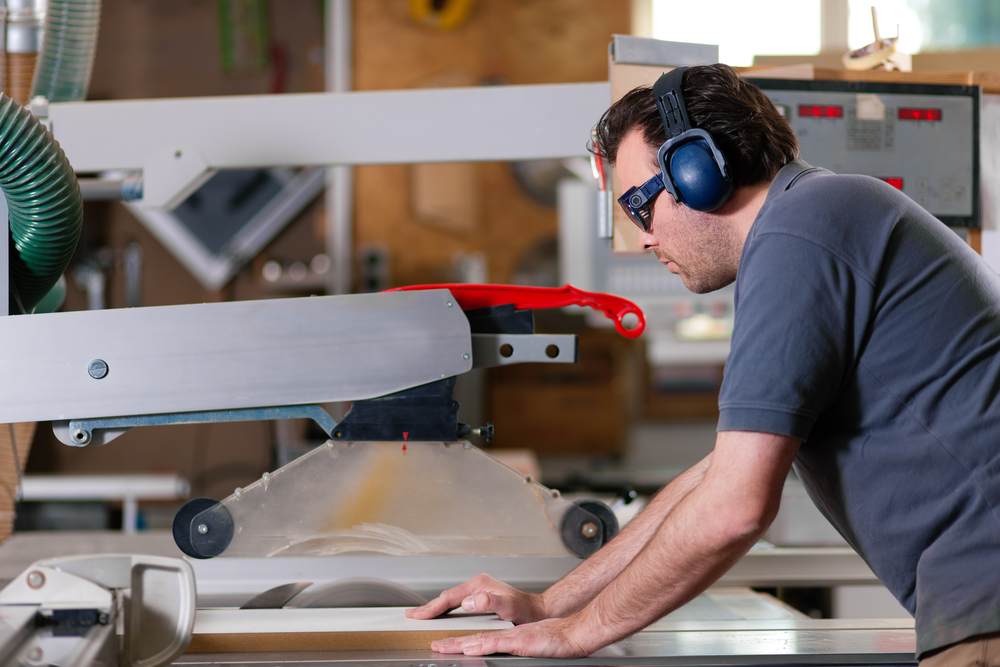
Working a long time around loud noise can significantly impact your hearing, especially when sound intensity exceeds safe limits. Protecting your ears is essential—not only for warding off hearing loss but also for maintaining focus in noisy settings. What is the most effective way to determine the level of hearing protection that is optimal for you?
Understanding noise levels and their results
Noise damage relies not only on the volume of the sound but also on how much time you are exposed to it. dB’s are the essential measurement tool for noise, quantifying the volume of sound. When sound levels hit 85 dB or higher, they can start to harm your hearing, particularly with sustained exposure.
To provide a reference, 85 dB is comparable to the sound of urban traffic when perceived from inside a vehicle. Though this loudness might not seem excessive, spending eight hours in it non-stop can cause hearing impairment. As the sound gets louder, the amount of time you can be exposed safely decreases:
- 90 dB (Lawnmower): Up to 4 hours of exposure can be harmful.
- Exposure to 100 dB (Power tools) must be restricted to a maximum of 60 minutes.
- Damage is possible after only 15 minutes at the 110 dB level (Leaf blower).
- Exposure to 120 dB (a Rock concert) will damage your hearing instantly.
- A sound level of 140 dB (Jet engine) can cause instant pain and damage.
How to detect risky noise environments
You must wear hearing protection when regularly exposed to 85 dB or louder levels. This holds chiefly true in professional settings, such as factories, construction sites, or locations where machinery, devices, or gear generate significant levels of noise.
Hearing protection is also beneficial outside of the workplace; pursuits like attending music shows, operating leaf blowers, or participating in shooting sports can expose you to hazardous sound levels.
Choosing protection based on Noise Reduction Ratings (NRR)
Hearing protection efficacy is rated using the Noise Reduction Rating (NRR) scale. This rating indicates how much sound the protector can block, expressed in dB. A higher decrease in sound is guaranteed by higher NRR ratings. To give a practical example, a 30 dB NRR on earplugs would lower an 85 dB noise down to 55 dB, which is a sound level far below the dangerous limit.
When finding hearing protection, assess the exact noise levels you’re exposed to and verify your choice offers enough blockage to stay below the 85 dB threshold.
Comfort is important: the essential to consistent protection
Comfort is a factor of equal importance to the NRR, as it strongly influences whether you will use the protection consistently for the long term. If hearing protection feels ill-fitting or cumbersome, you may be tempted to remove it—leaving your ears unprotected to damaging noise.
Comfortable hearing protection supports consistent use, reducing the threat of intermittent exposure. Imagine if, for example, your earmuffs are too heavy or ill-fitting, you could remove them from time to time, leaving your ears exposed to hazardous noise.
The main categories of hearing protection devices
There are a few different types of hearing protection, and each has its own benefits and drawbacks:
- Foam Earplugs are worn in the ear canal and deliver excellent protection; they are disposable and light, but not everyone finds them comfortable.
- Pre-Molded Earplugs: These rest just outside the ear canal and are reusable, making them a more sustainable option. They’re easier to insert and remove compared to foam earplugs.
- Earmuffs, which cover the entire ear, are well-suited for environments with changing noise levels due to how easy they are to take on and off, but they can be heavy or hot during prolonged use.
The perfect type of protection to select is determined by your own comfort and the needs of the environment you are in. For illustration, workers in construction may prefer the convenience of earmuffs, while factory employees might choose earplugs for full-day wear.
Ensuring consistent use
To achieve maximum efficacy, you must select the hearing protection you will wear consistently. Removing the protection for even a few minutes can result in permanent harm to your hearing. Therefore, it is crucial to find a product that provides the right balance of protection, comfort, and convenience.
Protect your hearing for the long term
We are always enclosed by noise, yet choosing the correct protective device ensures your ears are safeguarded, enabling you to continue enjoying your acoustic environment.
To discuss the most effective methods for protecting your hearing health and evaluating your potential for noise-related hearing damage, please reach out to us now.