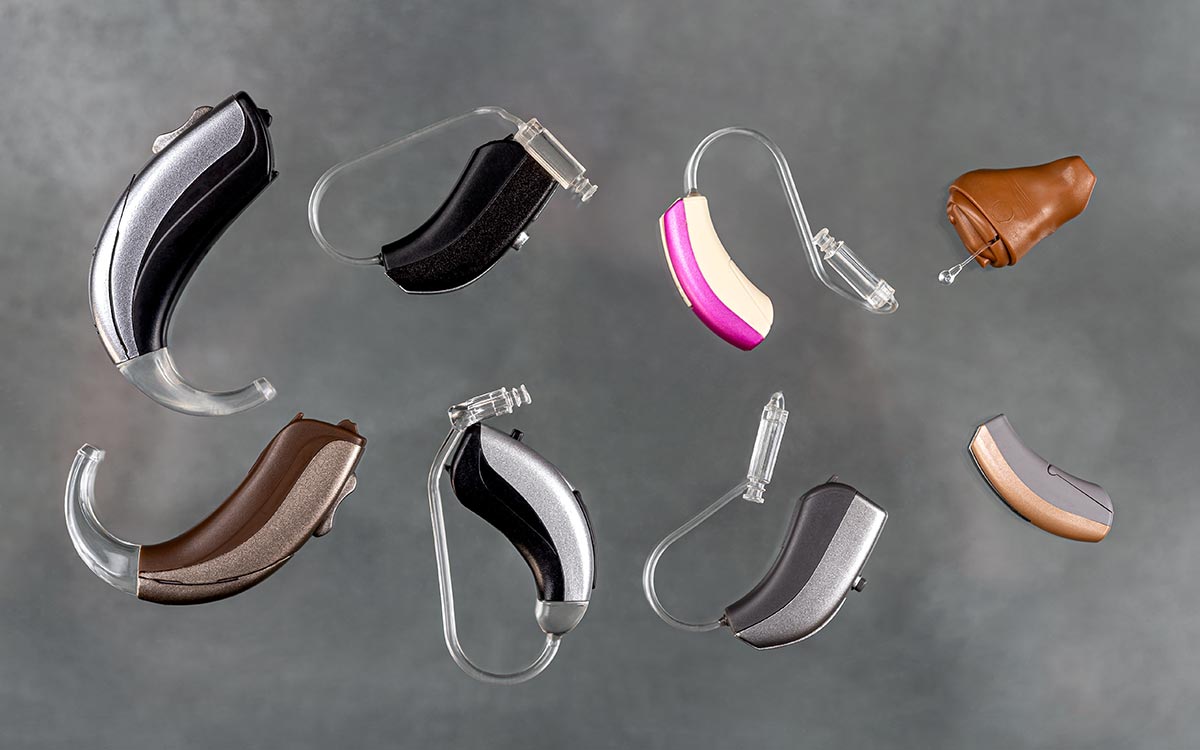
Choosing an instrument can feel overwhelming, especially when today’s devices come in so many styles, sizes, and technology levels. However, an expert hearing solution exists for every person’s unique needs and daily habits. The key is merely identifying the one that fits you best.
Gaining a clear understanding of common hearing aid categories will empower you to make an educated decision for your hearing health. This guide explores the most common styles and highlights the specific advantages each one offers.
In-the-Canal (ITC) Hearing Aids
What they are:
An ITC device is designed to sit partially within the ear canal while showing just an inconspicuous section in the outer ear area.
The Perks:
- Provides a subtle appearance compared to traditional styles
- Custom-molded for comfort
- Designed to treat low to mid-range hearing impairments
ITC devices offer an excellent balance between visibility and functionality, making them a popular choice for first-time users.
Ultra-Discreet IIC Devices
What they represent:
IIC hearing aids are the smallest custom style available. They are inserted deep within the canal to remain hidden from view.
Why they are popular:
- The best option for patients prioritizing appearance
- Strategic positioning enables a very organic listening experience
- A feather-light design makes them easy to wear all day
The small form size of IIC models makes them perfect for mild hearing loss and anyone who values an invisible hearing solution.
Understanding In-the-Ear (ITE) Units
Product Details:
ITE hearing aids fill either the entire outer ear (full-shell) or the lower portion (half-shell). They are custom-made to fit the contours of your ear.
The Benefits:
- The larger size makes it feasible to include more internal components and longer-lasting batteries
- The physical size is easier to hold and adjust for users with fine motor concerns
- Effective for mild to severe hearing loss
ITE models are often selected by individuals who want a simple, all-in-one design without behind-the-ear components.
Exploring BTE (Behind-the-Ear) Designs
Description:
These devices sit on the external portion of the ear’s anatomy. These models use a custom earmold or tubing to direct sound inside.
Key Advantages:
- Highly versatile and durable
- Can be set to help users with everything from mild to profound loss
- Large enough to include sophisticated software and modern rechargeable technology
BTE devices are a wonderful choice for individuals seeking reliability, ease of use, and strong amplification.
RIC (Receiver-in-Canal) Summary
Mechanical Arrangement:
While they match BTE units, RIC aids place the speaker directly in the canal for improved sound delivery.
Market Appeal:
- Provides a remarkably crisp and lifelike listening experience
- Users value the slim profile and comfortable fit for all-day use
- Excellent for many levels of hearing loss
RIC units are extremely popular currently because they balance appearance with powerful functionality.
Extended-Wear Hearing Aids
Operational Info:
These devices are inserted deep in the ear canal by a hearing professional and can stay in place for several weeks at a time.
Why people choose them:
- Provides a hassle-free journey with no daily maintenance required
- Offers a 100% covert solution for hearing health
- You can move about your entire life—including sports and rest—while wearing them
Extended-wear devices are ideal for those who want an effortless approach.
Bluetooth-Enabled Hearing Aids
Operation:
Auditory aids with wireless connectivity that pair with smartphones, tablets, computers, and sometimes TVs.
Why people select them:
- Allows for sharp voice calls and media streamed directly to the device
- Allows for quick, subtle adjustments to your hearing aids through digital software
- Enhances everyday life by making technology interaction seamless and clear
You can locate Bluetooth capabilities integrated into an array of form factors, from RIC and BTE to custom ITC designs.
Understanding Middle-Ear Implant Systems
Technical Definition:
This technology requires an operative procedure to place a device that mechanically stimulates the bones of the middle ear.
Medical Reasons:
- A viable route for patients who are unable to wear standard acoustic devices
- Solves the problem of canal discomfort caused by regular hearing aids
A complete consultation with an ENT professional is necessary before considering an auditory implant.
Your Path to Improved Hearing
Selecting an instrument is an individualized process that takes into account your hearing severity, lifestyle habits, and visual preferences. A hearing professional is your best asset for comparing these options and finding an ideal choice for your daily routine.
If you’re prepared to investigate the possibilities, schedule an auditory evaluation today. It is the most significant step you can make toward a more vibrant and confident life.
Sources:
https://www.mayoclinic.org/diseases-conditions/hearing-loss/in-depth/hearing-aids/art-
20044116
https://www.hearinglife.com/hearing-aids/types
https://www.nidcd.nih.gov/health/hearing-aids